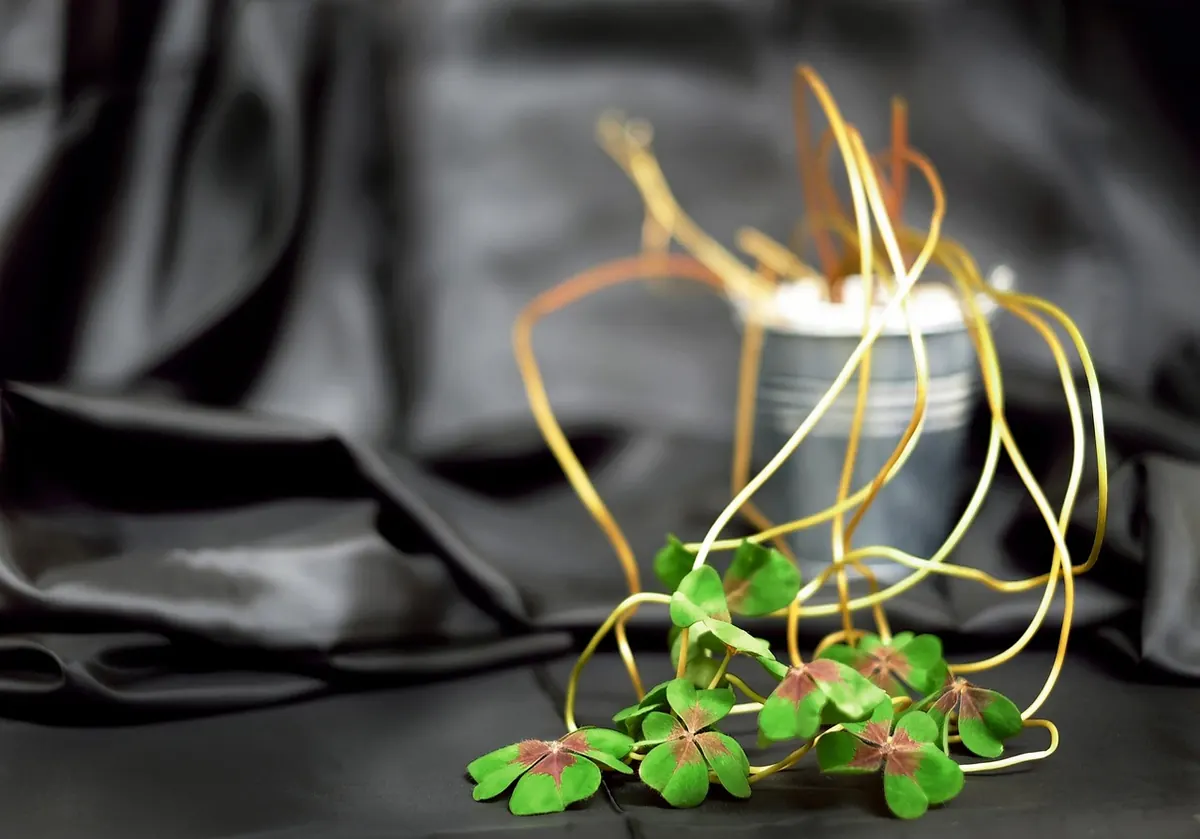
You can water a plant faithfully for months and still watch it collapse in a fortnight. Container plants live in a closed system: a small volume of compost, a finite store of nutrients, and no way to walk away from a bad spot. That makes them far less forgiving than anything growing in the border. Most container deaths come down to a handful of avoidable mistakes, and nearly all of them give warning signs weeks before the plant gives up. Here is what usually goes wrong, and how to put it right.
Roots need air as much as they need water. In a pot, that air supply is tiny. Fill the compost with water and hold it there, and the roots slowly suffocate; soft brown or black patches follow, along with that sour, stagnant smell of rotting roots. By the time the plant wilts, the damage is often done — and confusingly, a drowning plant looks much like a thirsty one.
Learn to read the pot rather than the calendar. Push a finger two or three centimetres into the compost: if it feels cool and damp, wait. Lift the pot instead, if it is small enough — a well-watered pot feels noticeably heavier than a dry one. Look for the early clues, too: yellowing lower leaves, fungus gnats hovering over the surface, green algae or grey mould on the compost, and a saucer that is always wet.
When you do water, do it properly. Soak until water runs freely from the drainage holes, then empty the saucer after half an hour. A little and often is the worst approach, because it wets only the top layer while the lower roots stay dry. How often depends entirely on pot size, plant, compost and season: a small terracotta pot on a sunny sill may need water daily in July, while a large potted shrub in a cool porch might go two or three weeks in January without a drop.
Check both the compost and the leaves. Dry compost, a light pot and crisp, curling foliage mean thirst. Damp compost, a heavy pot and limp, yellowing leaves that stay limp after watering mean the roots are failing. When you genuinely cannot tell, wait a day — most plants handle a short dry spell far better than another soaking.
Even careful watering cannot save a plant sitting in a trap. The most common culprits are decorative outer pots with no holes, saucers left permanently full, and compost that has compacted into a solid block after a year or two of tap water and feeding. A layer of crocks or gravel in the base does not help, either; it simply raises the saturated zone closer to the roots.
To keep water moving:
Few of us own a room as bright as a plant would choose. Plants that are not getting enough light grow pale, small leaves, stretch towards the nearest window and stop flowering altogether. Their compost also dries slowly, which quietly encourages the overwatering problem above. A south-facing windowsill is the brightest spot most homes offer; a north-facing one is the weakest, even if it looks perfectly light to your eyes.
Too much direct sun is a real risk as well, particularly through glass in summer. Leaves scorch in bleached, papery patches, often on the side facing the window. Move plants gradually — a week or so in a shadier spot, then a little closer — rather than shifting a shade-lover straight into blazing afternoon sun. Turn pots a quarter turn each week so growth stays even instead of leaning permanently towards the glass.
Compost is not a permanent home. Its nutrients run down within a few weeks of active growth, after which the plant depends on feeding during spring and summer. Pale leaves, yellowing between the veins and simply slow, stunted growth all point to hunger. A liquid feed at the strength on the bottle, every week or two through the growing season, sorts out most cases. White crusting around the rim of the pot is salt build-up from feeding; flush it through with plain water and let it drain.
Roots can also run out of room. Warning signs include roots pushing out of the drainage holes, water running straight through the pot, and compost that dries within hours of watering. Repot in spring, going up one size, and gently tease out any roots circling the edge of the old rootball.
Central heating, cold glass at night and doors that open onto a frosty garden all take their toll. Crisp brown leaf edges usually signal air that is too dry for the plant, while sudden leaf drop often follows a move between a warm room and a cold conservatory. Keep pots away from radiators and from direct contact with window panes, group plants together to raise humidity around them, and accept that a plant placed on a cold, draughty sill in winter is being asked to do something difficult.
Pests rarely appear at random. Fungus gnats breed in permanently wet compost, spider mite thrives on dry, warm air around a stressed plant, and mealybug, scale and aphids settle on soft, weak new growth. Check the undersides of leaves and the joints where stems meet when you water. Isolate anything new for a fortnight, wipe off what you can see, and treat persistent infestations with a product suited to the pest — following the label exactly. Often, correcting the growing conditions does more good than any spray.
Fifteen minutes a week is enough. Push a finger into the compost and lift the pot to judge water; tip out anything sitting in the saucer; scan both sides of the leaves for pests and discolouration; remove dead or yellowing growth; and give the pot a quarter turn. Then think in seasons rather than days: water less from autumn onwards, feed through spring and summer, and repot in spring before the roots tell you they need it. Get those habits right and the plants do the rest.
Photo: Couleur / Pixabay
A practical guide to digging, edging and compacting a durable gravel path and seating pad around a garden bench,...
Practical ways to cut the workload in a small British garden, from gravel and raised beds to evergreen structure,...
Overwatering and drought both damage herbs, but the fix is the same: check soil moisture before you water, then...

Gardening wisdom for your outdoor space..
