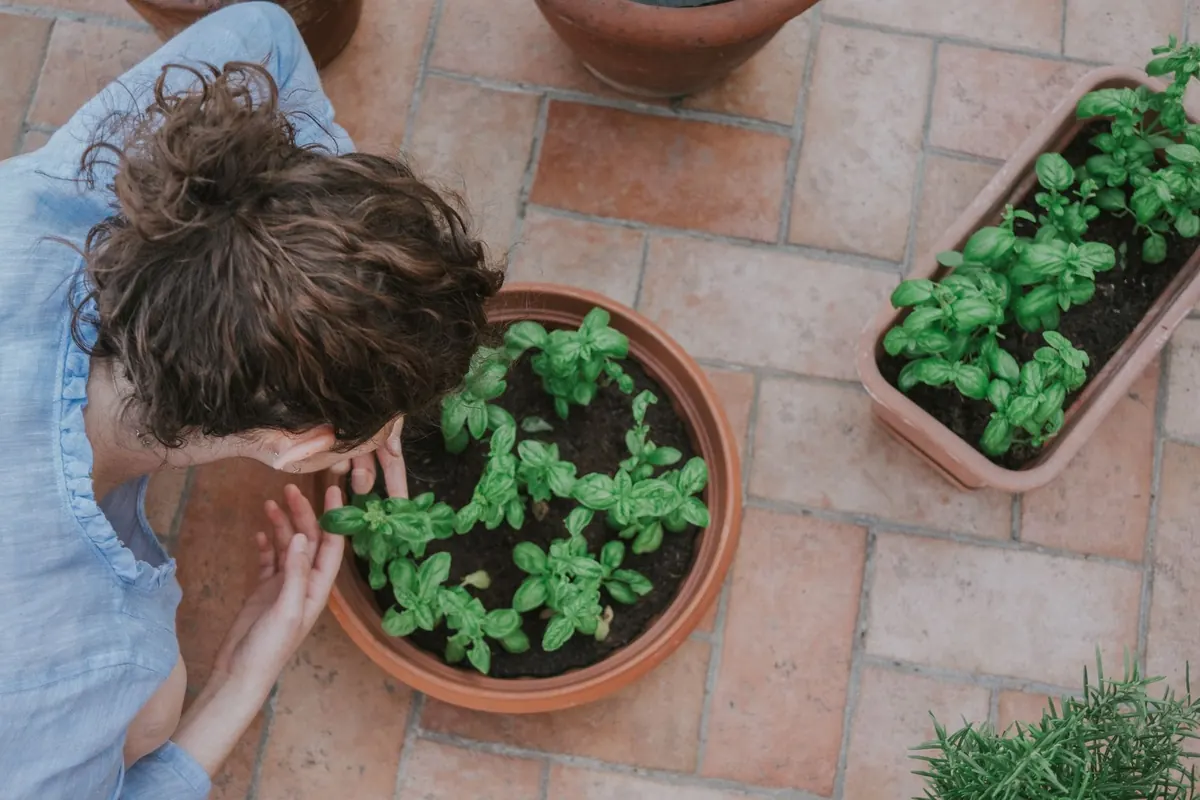
Most culinary herbs come from the Mediterranean, which is why so many of them sulk in a shady British garden. Shade is not a dead end, though. A north-facing border, the strip along a fence, or the ground under an old apple tree can all give you a decent supply of mint, parsley and chives if you choose the right plants and treat them sensibly.
The important thing is to know what sort of shade you are dealing with before you buy anything. "Shade" covers everything from a bright spot with four hours of morning sun to a bone-dry corner that never sees daylight. The first is a gift. The second is hard work.
Watch your chosen spot on a sunny day in June. Check it at breakfast, at midday and in the late afternoon, and note when the sun actually touches it. Leafy herbs cope far better with morning sun than with a blast of afternoon heat, so a site that is bright until noon is often more productive than one that bakes from two o'clock onwards.
The easiest herb you will ever grow. Spearmint and Moroccan mint are the best for the kitchen; apple mint is milder. Mint spreads by underground runners, so plant it in a large pot sunk into the ground, or keep it in a container on its own. Give it moisture and it will reward you with handfuls from late spring until the first frosts. Watch for mint rust — orange-brown spots on the undersides of the leaves. If it appears, cut the whole clump back hard and clear away the debris.
Flat-leaf parsley grows more slowly in shade, but the leaves stay tender and the plants are far less likely to bolt in a hot spell. It is a biennial, so expect it to flower and set seed in its second year; let a few plants flower for the insects and sow fresh seed each spring. Thin seedlings to about 20cm apart, and keep the soil evenly damp. Dry roots mean tough, bitter leaves.
Chives want a few hours of sun, but they will manage in partial shade, producing thinner leaves that still taste good. Cut whole clumps back to about 5cm rather than snipping at random, and never take every clump at once. Lift and divide the clumps every few years in spring, when they start to look crowded and hollow in the middle. The purple flowers are edible and excellent scattered over a salad.
Both are annuals that prefer cool conditions, which makes shade an advantage. Chervil is the more shade-tolerant of the two and can be sown direct in late summer for a winter crop. Coriander bolts as soon as it gets hot, so a shaded spot in midsummer keeps it leafy for longer. Sow a small pinch every three weeks for a continuous supply, and water regularly.
These three perennials are worth their space. Lovage tastes like strong celery and grows tall — up to two metres in a good year — so give it room at the back of a border. Sorrel produces lemony leaves in spring; pick them young and keep cutting out the flower stems to prolong the harvest. Sweet cicely has feathery, aniseed-flavoured leaves that go well with stewed fruit, and it self-seeds freely once it settles in.
For a genuinely dark corner, wild garlic is the answer provided the soil is damp. Buy bulbs from a nursery rather than digging plants from the wild, and let the leaves do their thing in spring before the foliage dies back in early summer. If you do forage for it, take only leaves, leave the bulbs alone, and get the landowner's permission first. Take care with identification as well: wild garlic leaves look similar to those of lily of the valley and lords-and-ladies, neither of which is edible. Only pick what you can identify with complete confidence.
Shaded soil is often either heavy clay or dry and full of tree roots, so preparation matters more than it does in a sunny border. Fork in a generous barrowload of garden compost or well-rotted manure a couple of weeks before planting, and take out any large stones.
Containers solve most shade problems. A 30cm pot filled with multipurpose compost, plus a handful of grit for drainage, will happily hold a mint or a parsley plant. Stand pots on feet so water can escape, and use a saucer in dry spells so nothing goes to waste.
Spacing is straightforward: parsley about 20cm apart, chives the same, mint 45cm if it is going into open ground. Plant in spring or early autumn, when the soil is warm and damp. And be prepared for slugs — shade plus moisture is their ideal habitat. Night patrols with a torch, beer traps and copper tape around pots all help.
If you are new to growing in shade, keep it simple. Put one mint, one flat-leaf parsley and one chive in pots, stand them in the shadiest spot closest to your kitchen door, and see how they do for a season. Bring the mint indoors in autumn if you want leaves through winter, and keep the parsley going for as long as it lasts.
Once those three are cropping reliably, add chervil for winter and sorrel for spring. Herbs grown in shade tend to grow more slowly and produce smaller yields than those in full sun — but they also hold their flavour well and need less watering. A steady, modest supply from a difficult corner of the garden is worth far more than an empty sunny bed you never get round to planting.
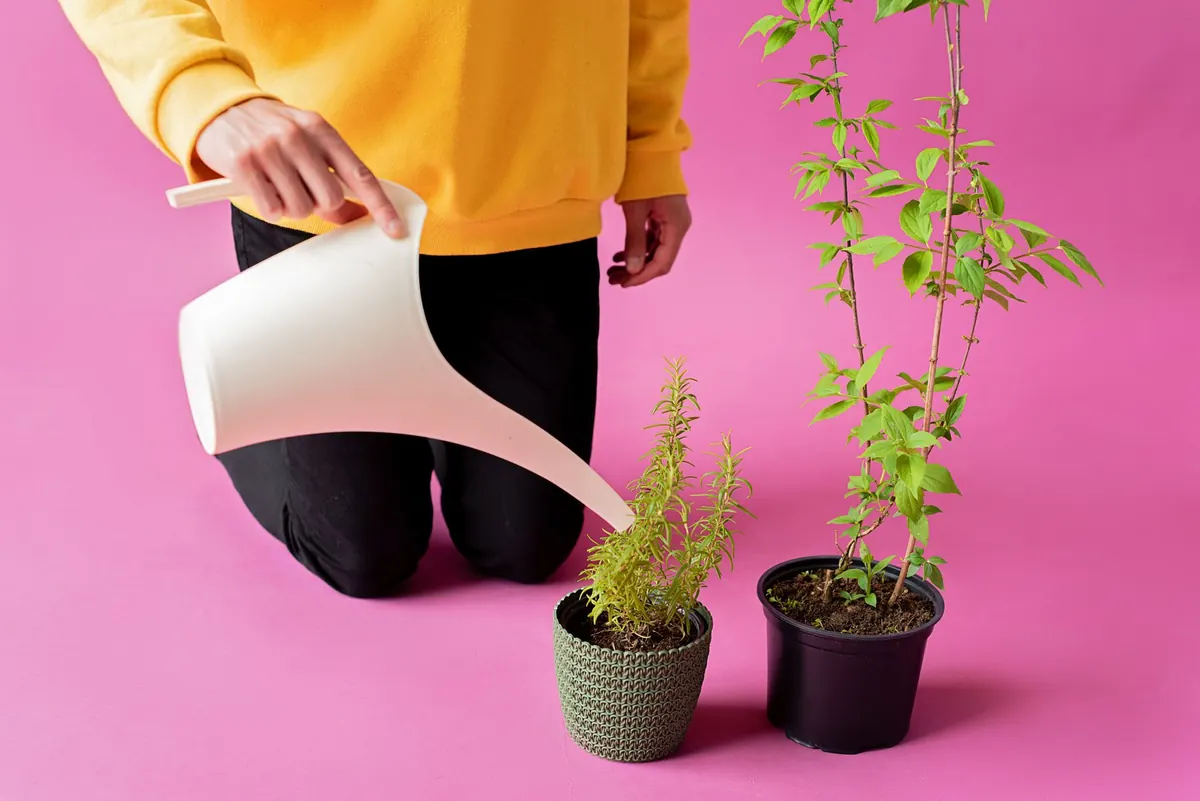
Photo: Matteo Badini / Pexels
A practical guide to digging, edging and compacting a durable gravel path and seating pad around a garden bench,...
Practical ways to cut the workload in a small British garden, from gravel and raised beds to evergreen structure,...
Yellow leaves, soggy compost and straggly growth usually trace back to a handful of container-care mistakes. Here's...

Gardening wisdom for your outdoor space..
